The Impact of Heat Pumps on Modern Energy Consumption
As the demand for sustainable energy solutions grows, heat pumps have emerged as a transformative technology in heating and cooling systems. These versatile devices provide significant advantages over traditional HVAC systems by offering both heating and cooling with remarkable efficiency.
Understanding Heat Pumps
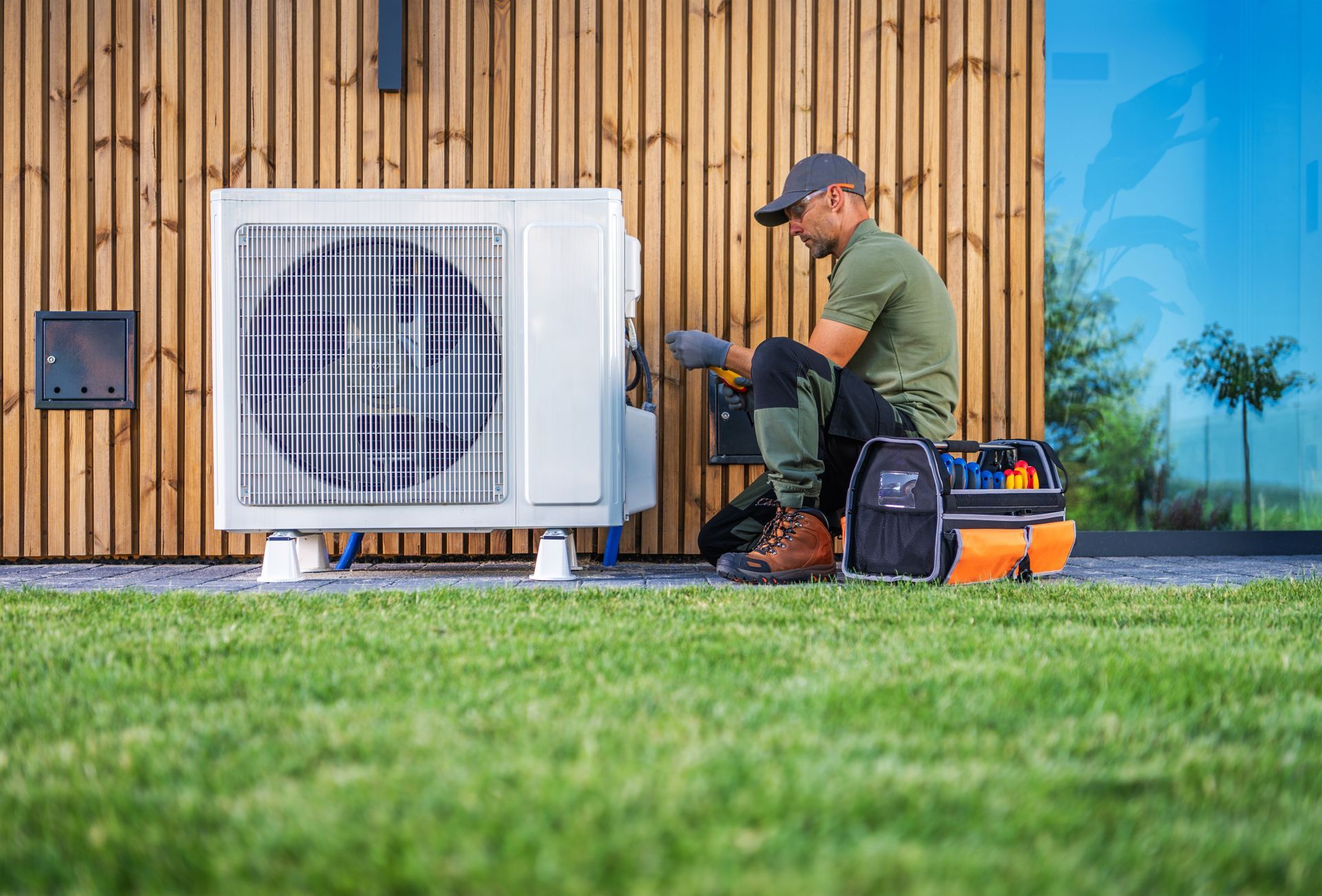
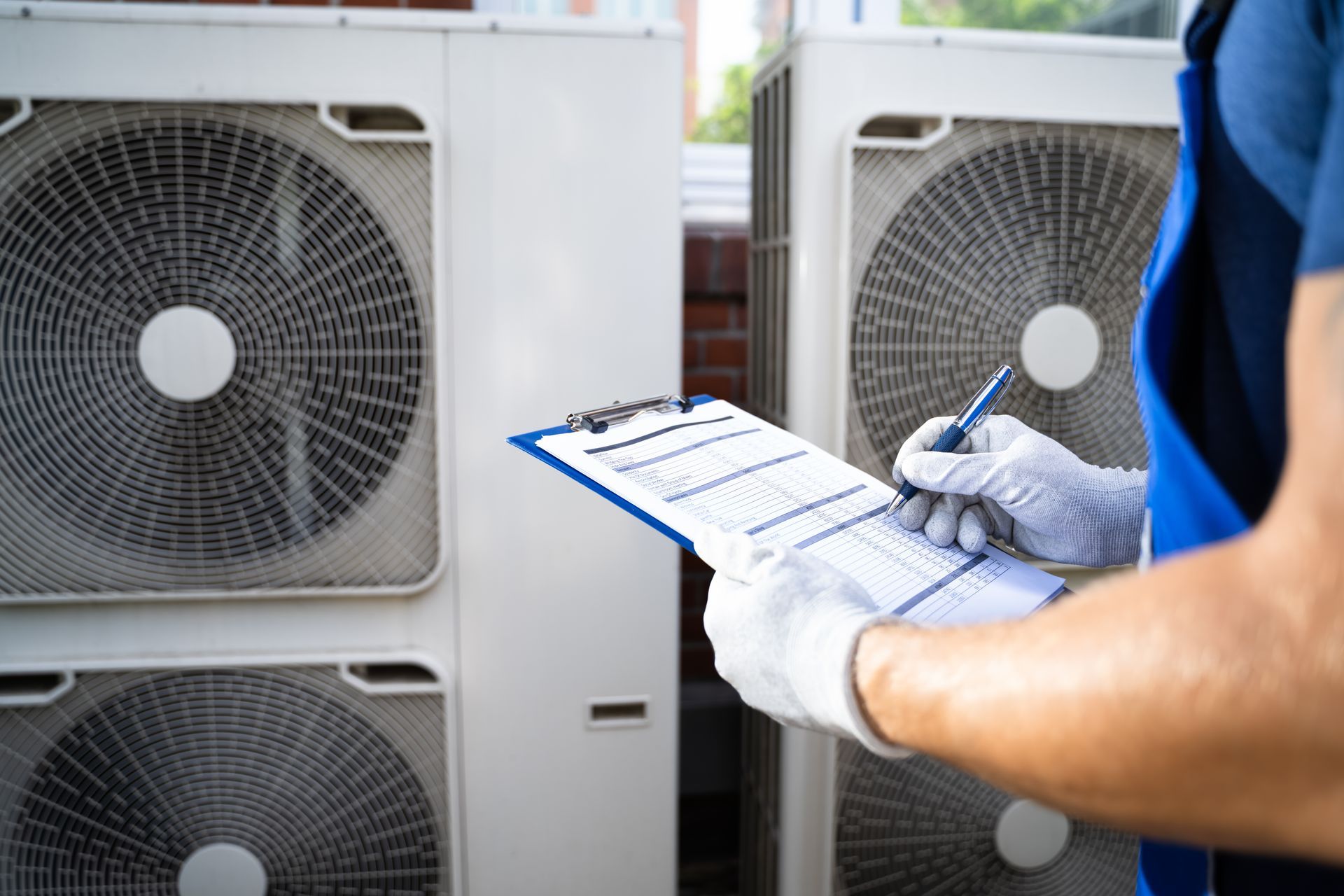
At their core, heat pumps transfer heat from one place to another, rather than generating heat directly. They function using a refrigeration cycle, similar to an air conditioner, but with the capability to reverse the process for heating. This dual functionality makes them a cornerstone of modern energy-efficient systems.
Comparative Energy Efficiency
One of the most compelling benefits of heat pumps is their energy efficiency. Since they transfer heat rather than generate it, they can achieve efficiencies of over 300%, compared to standard electric or gas heaters with efficiencies around 90-95%. This leads to substantial energy savings and lower utility bills, offering an attractive return on investment over time.
Environmental Benefits
Beyond personal savings, heat pumps contribute positively to environmental health. By lowering reliance on fossil fuels and reducing carbon emissions, they play a pivotal role in supporting global sustainability initiatives. This attribute aligns with a growing consumer interest in green technology and energy conservation.
Technological Advancements
Recent advancements have further enhanced the capabilities of heat pumps. Innovations like variable-speed compressors and dual-source technology allow these systems to function efficiently even in colder climates, a limitation that was harder to overcome in the past. This evolution makes them increasingly viable for a broader range of geographic areas.
Optimal Performance Features
Heat pumps offer several features that enhance their functionality:
Inverter Technology: Helps maintain a consistent indoor climate by adjusting the speed of the motor, leading to quieter and more efficient operation.
Smart Thermostat Compatibility: Allows for seamless integration with home automation systems, providing users with greater control and convenience.
Zoning Capabilities: Enables targeted heating and cooling for specific areas, optimizing energy use without compromising comfort.
Barriers and Misconceptions
Despite their benefits, heat pumps still face barriers such as higher upfront costs and misconceptions about their performance in extreme weather. It's essential to weigh these considerations against long-term savings and environmental benefits. Consulting with a professional can help dispel myths and provide clarity on their suitability for specific needs.
The Influence on Modern HVAC Design
Incorporating heat pumps into modern HVAC design demonstrates a shift toward more holistic and sustainable home environments. The ability to regulate both temperature and humidity with a single system simplifies operations and supports a comfortable, consistent indoor climate.
Continuous Innovation
The HVAC industry continues to innovate, with heat pumps at the forefront of research. Future developments promise even greater efficiencies and expanded capabilities, solidifying their role as a core component of energy-resilient infrastructures.
How A.R.C.C. Mechanical Can Help
For those considering upgrading their heating and cooling systems, heat pumps provide a compelling solution. At A.R.C.C. Mechanical, our expertise in HVAC systems and commitment to sustainability make us an excellent partner in navigating these options. Contact us to discuss how a heat pump could enhance your home's energy efficiency and comfort.
By exploring heat pumps, we step toward a more energy-conscious and environmentally-friendly future, where comfort and sustainability coexist seamlessly.
Share This Blog